share postings
July 2026 | Volume 21 | Issue 6
Want to expand your missions impact this summer? Here are 10 suggestions, none of which requires a large church, a big budget, or a huge amount of time. See if one or more of these ideas have the potential to enrich your missions program.
 “Meet” your missionaries’ local friends
 “Meet” your missionaries’ local friends
Ask a couple of your missionaries to make a 3-4 minute video in which they interview one of their indigenous friends–a believer or not-yet-believer. Encourage them to include questions that will help you see these friends as “real people” and spur your congregation to pray for them. If needed, include subtitles. Share these videos with your church to help them love the people your missionaries love.
Check on your retired workers’ financial situation
 Check on your retired workers’ financial situation
No doubt you recently have experienced the pain of rising prices. Many retired missionaries were already living on very modest fixed incomes prior to these cost surges, and what at one time may have been adequate financial resources may now be leaving them in a true poverty situation. Connect with them to tactfully probe if they are having increased difficulty covering expenses. Most lifelong workers will not want to complain, but God’s people need to care for those who have served faithfully.
Introduce a more accurate map
 Introduce a more accurate map
You may be surprised to know that the map we are traditionally accustomed to seeing (often referred to as the Mercator Projection from which it was derived) comes from the era of Western conquest and is heavily distorted in favor of the Northern Hemisphere. It is time that we use a more accurate depiction of our world that puts the equator in the middle, balancing Northern and Southern Hemispheres. The most startling surprise? How big Africa really is!
Since every map must artificially adjust to represent a round object in two dimensions, there are various alternatives. The Hobo-Dyer map may be one of the best for a balance of land mass and shape. Some maps are copyrighted; these below are available from iStock. The Mercator is provided for comparison and the Hobo-Dyer as a recommended alternative.
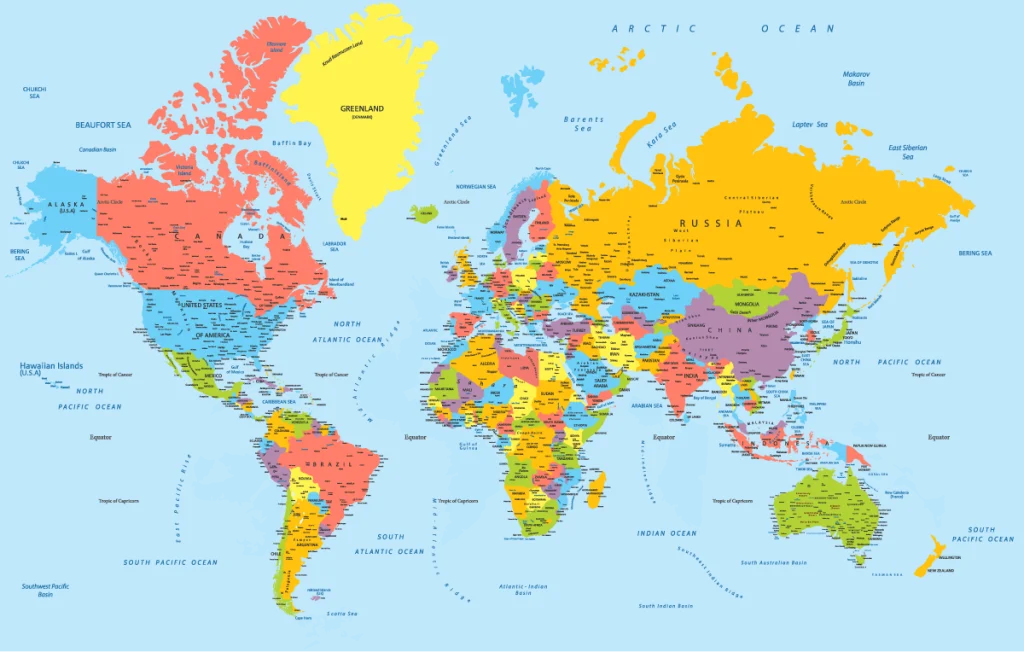
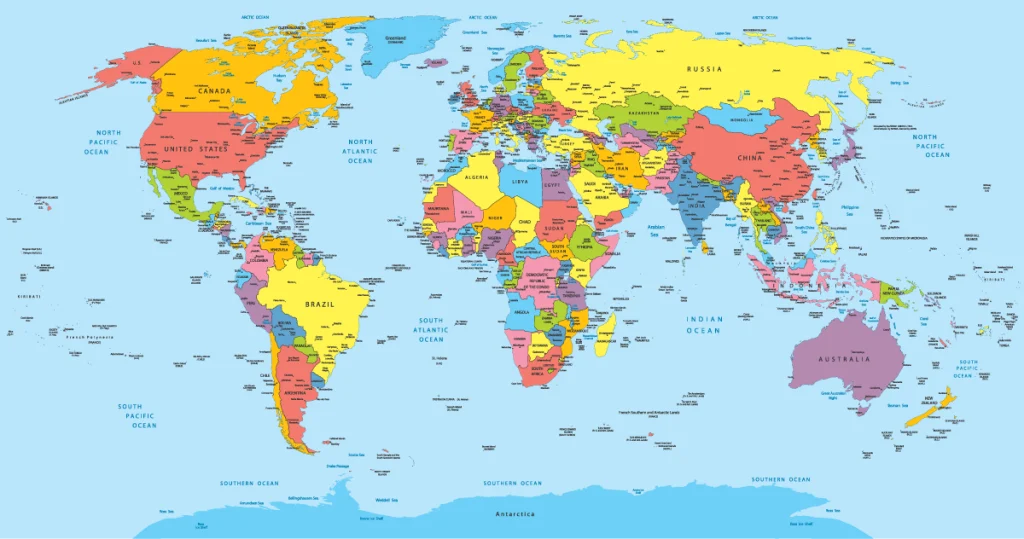
A Mercator map (top) and a Hobo-Dyer map (lower)
Listen to a diaspora pastor’s story
 Listen to a diaspora pastor’s story
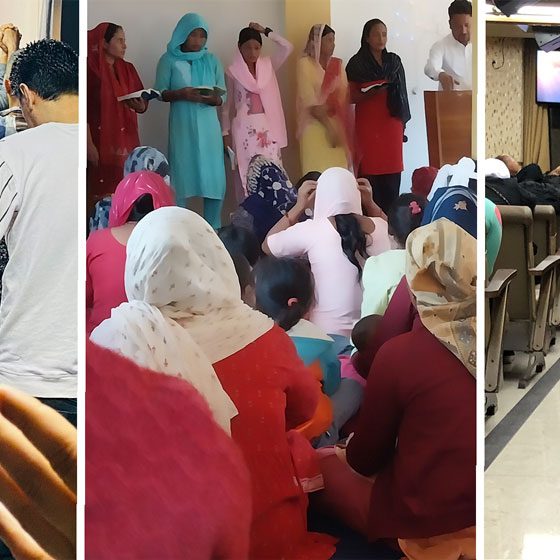
No matter where you live, there is probably a pastor near you who leads a congregation made up primarily of diaspora people–those who were born in another country and whose first language is different from yours. Invite the pastor out for lunch or coffee to listen to their story–undoubtedly it will broaden your perspective. Don’t be surprised if it sparks a friendship that deeply benefits both of you and your churches, too.
Feature a different kind of moment for missions
 Feature a different kind of moment for missions
A missionary report is not the only “moment for missions” your church needs to hear. Consider one of these:
- Interview an intercessor. Does the average person in your church know how to pray for missionaries or global needs? Many don’t! Interview someone in your congregation who has a passion to pray for the world. Ask them questions like these to help your congregation learn why and how to engage in missions through prayer.
- Interview an international newcomer in your church. Are there immigrants in your congregation from countries around the world? What could your congregation learn about welcoming newcomers? A personal interview with one or two of them could provide practical suggestions. Here are some potential interview questions.
- Interview a church member who has hosted a missionary for a meal or overnight. Reduce the fear factor around hosting missionaries by interviewing someone who has done it. Ask them to describe how opening their home to a missionary or global partner blessed both the worker and their family in unexpected ways. Here are some questions you might ask. Then the next time missionaries visit, offer the opportunity to host to those who have not done it before.
Honor unsung service
 Honor unsung service
Acknowledging someone’s unselfish, likely unseen, missions work is both a privilege and a blessing. Here are two examples.
- Make a financial gift to someone who works diligently behind the scenes at a mission agency or in a local ministry. Support staff seldom receive the extra gifts and verbal gratitude that missionaries often do. Yet they likely have sacrificed the better salaries they could have gotten elsewhere and dedicate many extra hours to serve a cause they deeply care about. Call the organization and ask them to recommend a staff member to honor with a special monetary gift. Consider making this an annual award.
- Send a gift to the field worker(s) who hosted your short-term teams this summer. Hours of their time as well as personal resources went into making your team’s visit effective and potentially life changing. Give them a personal monetary gift in appreciation.
Include more diversity
 Include more diversity
Are your short-term ministries all designed for youth? Consider adding trips that fit the gifting and stamina of older adults. Are most of your trips focused on construction work that leaves out those who can’t wield a hammer but have other expertise? Look for service openings that tap various skills.
Do you need to expand the diversity on your missions leadership team? Adding members with different ethnic backgrounds will broaden your perspective and increase your cultural sensitivity. Also, to make everyone feel missions has a place for them, be intentional about representing both ethnic diversity and different ages in the photos you use to promote your missions activities.
Help an MK transition to college
 Help an MK transition to college
The move from their home overseas to attending college in their passport country can be traumatic for MKs (missionary kids) and for their parents. Consider a special financial gift to provide a new computer or to decorate their dorm room. A parent in your church with a child in college can provide helpful guidance about what is needed. Offer to help on move-in day or visit during their first semester if their parents are no able to be there.
Could your church fund your MK’s participation in one of the transition programs designed specifically for them? (Here is a link to just three of those offered in North America.) Is a student from your church attending the same college? Advance introductions could make the transition easier.
Plan an after-trip ministry for your short-term team
 Plan an after-trip ministry for your short-term team
Don’t let your returning team assume their missions work is done until their next trip. Organize a one-day local ministry for your team as a way to stoke their interest in ongoing service while also creating space to further debrief their trip experiences.
Help your indigenous partner renew
 Help your indigenous partner renew
In many parts of the world, vacations are unheard of. That means indigenous Christian leaders get little to no respite from intense 24/7 ministry. Fortunately, a growing number of organizations offer facilities where indigenous leaders can get much needed rest in a location away from their ministry but within their country or region. Some of these retreat centers also have staff who can provide godly counsel for workers struggling with burnout or personal/family struggles. Funding for your partners to enjoy time in a restorative setting is not only a wonderful gift but almost always results in greater fruitfulness and a healthier family.
As you read through these 10 items, did one or two ideas make you say, “Hey, we should try that!”? Why not share the list with your whole missions leadership team and see if they agree. Then develop an action plan to implement it soon.
If you do try any of suggestions, please let us know what happens. Or if you are experimenting with other creative ideas, we would love to hear about what you do!

Miss an issue? Here are the most recent Postings

10 Ways to Improve Your Missions Serve
https://catalystservices.org/wp-content/uploads/2026/07/July-2026-Cover-1200x675-1-1024x576.webp 1024 576 https://catalystservices.org/wp-content/uploads/2026/07/July-2026-Cover-1200x675-1-1024x576.webp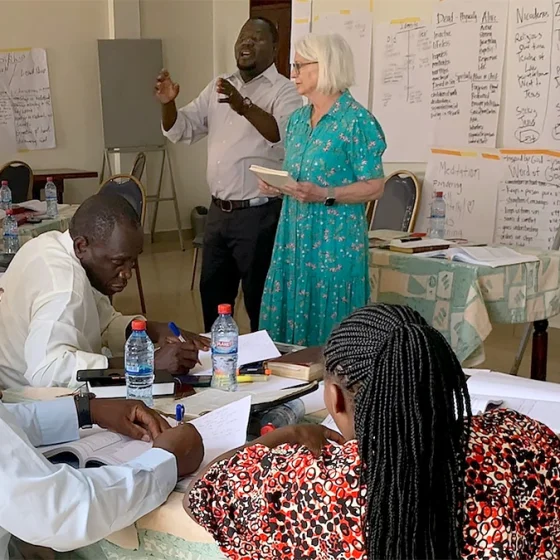
Don’t Ignore Half of the Great Commission
https://catalystservices.org/wp-content/uploads/2026/05/2026-may-cover-1200x675-1-1024x576.webp 1024 576 https://catalystservices.org/wp-content/uploads/2026/05/2026-may-cover-1200x675-1-1024x576.webp
Can Three Diverse Missions Forces Collaborate?
https://catalystservices.org/wp-content/uploads/2026/04/prayer-circle-cover-1200x675-1-1024x576.webp 1024 576 https://catalystservices.org/wp-content/uploads/2026/04/prayer-circle-cover-1200x675-1-1024x576.webp
Avoiding the Boneyard
https://catalystservices.org/wp-content/uploads/2026/03/Military-Boneyard.3.26-1024x576.webp 1024 576 https://catalystservices.org/wp-content/uploads/2026/03/Military-Boneyard.3.26-1024x576.webp
You Gave Me Food and Visited Me
https://catalystservices.org/wp-content/uploads/2026/02/Feb2026-Cover-1200x675-1-1024x576.webp 1024 576 https://catalystservices.org/wp-content/uploads/2026/02/Feb2026-Cover-1200x675-1-1024x576.webp
Raise Your Church’s Missions Temperature
https://catalystservices.org/wp-content/uploads/2026/01/Jan-2026-Postings-Cover-1200x675-1-1024x576.webp 1024 576 https://catalystservices.org/wp-content/uploads/2026/01/Jan-2026-Postings-Cover-1200x675-1-1024x576.webp
Best Missions Books of 2025
https://catalystservices.org/wp-content/uploads/2025/12/December-2025-Cover-1200x675-1-1024x576.webp 1024 576 https://catalystservices.org/wp-content/uploads/2025/12/December-2025-Cover-1200x675-1-1024x576.webp
Understand Your Missionary’s Support
https://catalystservices.org/wp-content/uploads/2025/11/Nov-2025-Postings-Cover-1200x675-2-1024x576.webp 1024 576 https://catalystservices.org/wp-content/uploads/2025/11/Nov-2025-Postings-Cover-1200x675-2-1024x576.webp
Introducing Newcomers to Missions
https://catalystservices.org/wp-content/uploads/2025/10/newcomers-cover-1200x675-1-1024x576.webp 1024 576 https://catalystservices.org/wp-content/uploads/2025/10/newcomers-cover-1200x675-1-1024x576.webp
Choose Your Missions Lenses
https://catalystservices.org/wp-content/uploads/2025/09/Sept-2025-Cover-1200x675-1-1024x576.webp 1024 576 https://catalystservices.org/wp-content/uploads/2025/09/Sept-2025-Cover-1200x675-1-1024x576.webp
Missions and the Mom-and-Pop Agency
https://catalystservices.org/wp-content/uploads/2025/08/mom-n-pop-cover-1200x675-1-1024x576.webp 1024 576 https://catalystservices.org/wp-content/uploads/2025/08/mom-n-pop-cover-1200x675-1-1024x576.webp
Honest Conversations–Part 2
https://catalystservices.org/wp-content/uploads/2025/07/July-2025-Cover-1200x675-1-1024x576.jpg 1024 576 https://catalystservices.org/wp-content/uploads/2025/07/July-2025-Cover-1200x675-1-1024x576.jpg
Honest Conversations–Part 1
https://catalystservices.org/wp-content/uploads/2025/06/honest-conversations-cover-1200x675-1-1024x576.webp 1024 576 https://catalystservices.org/wp-content/uploads/2025/06/honest-conversations-cover-1200x675-1-1024x576.webp
An Integrated Outreach Model
https://catalystservices.org/wp-content/uploads/2025/04/Jesus-Mission-Diagram-w-back-1200x675-1-1024x576.webp 1024 576 https://catalystservices.org/wp-content/uploads/2025/04/Jesus-Mission-Diagram-w-back-1200x675-1-1024x576.webp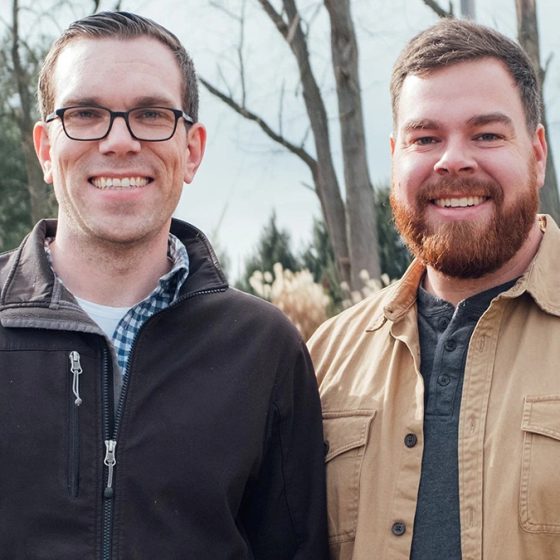
Steward Your Lifestyle
https://catalystservices.org/wp-content/uploads/2025/02/Hobelman-Brothers-1200x675-1-1024x576.jpg 1024 576 https://catalystservices.org/wp-content/uploads/2025/02/Hobelman-Brothers-1200x675-1-1024x576.jpg
Take Your Missions Team Higher
https://catalystservices.org/wp-content/uploads/2025/01/mountain-climbers-1200-675-1024x576.jpg 1024 576 https://catalystservices.org/wp-content/uploads/2025/01/mountain-climbers-1200-675-1024x576.jpg
Best Missions Books of 2024
https://catalystservices.org/wp-content/uploads/2024/12/Best-Books-2024-Cover-1200x675-1-1024x576.jpg 1024 576 https://catalystservices.org/wp-content/uploads/2024/12/Best-Books-2024-Cover-1200x675-1-1024x576.jpg
Internships
https://catalystservices.org/wp-content/uploads/2024/11/Postings-Cover-November-2024-1200x675-1-1024x576.jpg 1024 576 https://catalystservices.org/wp-content/uploads/2024/11/Postings-Cover-November-2024-1200x675-1-1024x576.jpg
What Global Churches Can Give Western Partners
https://catalystservices.org/wp-content/uploads/2024/10/Passing-Basket-web-1200x675-1-1024x576.jpg 1024 576 https://catalystservices.org/wp-content/uploads/2024/10/Passing-Basket-web-1200x675-1-1024x576.jpg
Thinking Collaboratively
https://catalystservices.org/wp-content/uploads/2024/09/Web-Cover-Sept-2024-1200x675-1-1024x576.jpg 1024 576 https://catalystservices.org/wp-content/uploads/2024/09/Web-Cover-Sept-2024-1200x675-1-1024x576.jpg
Integrating Discipleship and Missions
https://catalystservices.org/wp-content/uploads/2024/08/August-2024-Cover-1200x675-1-1024x576.jpg 1024 576 https://catalystservices.org/wp-content/uploads/2024/08/August-2024-Cover-1200x675-1-1024x576.jpg
I Might Be Interested In Missions
https://catalystservices.org/wp-content/uploads/2024/07/postings-july-2024-cover-1200x675-1-1024x576.jpg 1024 576 https://catalystservices.org/wp-content/uploads/2024/07/postings-july-2024-cover-1200x675-1-1024x576.jpg
Get Your Pastor’s Perspective
https://catalystservices.org/wp-content/uploads/2024/06/Postings-Web-Cover-June-2024-1200x675-1-1024x576.jpg 1024 576 https://catalystservices.org/wp-content/uploads/2024/06/Postings-Web-Cover-June-2024-1200x675-1-1024x576.jpg